Movements like Body Positivity and Health At Every Size (HAES) offer a glimmer of hope, challenging societal norms and promoting self-acceptance in a world consumed by unattainable body standards. However, as we delve into these concepts, it’s crucial to confront realities alongside the empowering messages they bring.
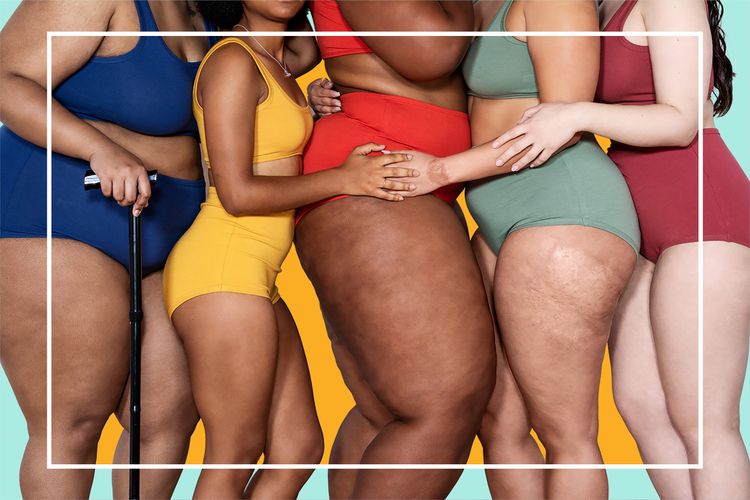
Celebrating Body Positivity
A Journey of Self-Love Body Positivity isn’t just about slogans; it’s about fostering a culture of self-love and acceptance. Studies have shown that embracing Body Positivity correlates with higher self-esteem and body satisfaction (Tylka & Wood-Barcalow, 2015). Furthermore, exposure to Body Positivity messaging has been linked to a reduction in media-induced body dissatisfaction (Veldhuis et al., 2019).
Yet, it’s important to recognize that the movement isn’t without its critics. Some argue that commercialization has diluted its core message, leading to an oversimplification of body diversity. There’s a valid concern that solely focusing on body acceptance might inadvertently endorse unhealthy lifestyles (Alleva et al., 2020).
Challenging Health Paradigms with HAES
HAES shakes up conventional health paradigms by prioritizing holistic well-being over weight. Proponents argue that weight-centric approaches often fail to deliver sustainable health outcomes (Bacon & Aphramor, 2011). They also highlight the dangers of weight stigma and diet culture, which can lead to disordered eating behaviors and weight cycling (Tomiyama et al., 2018).
However, it’s crucial to acknowledge the other side of the coin. Critics rightly point out the health risks associated with obesity and question HAES’s dismissal of weight as a health indicator (Hruby & Hu, 2015). Ignoring the health implications of excess weight could undermine efforts to combat obesity-related diseases.
Navigating the Discourse
Striking a Balance for Holistic Health In this lively discourse, evidence-based solutions emerge, blending the best of both worlds:
- Embrace mindful practices: Encouraging intuitive eating and joyful movement fosters autonomy and self-care.
- Create inclusive spaces: Communities that celebrate diverse bodies while acknowledging the importance of health promote mental and physical well-being.
- Advocate for holistic healthcare: Services focusing on overall wellness rather than solely on weight can better serve diverse populations.
- Addressing the elephant in the room: It’s essential to recognize the health risks associated with obesity and encourage individuals to take proactive steps towards their well-being.
Calling a Spade a Spade
While embracing body diversity and promoting self-acceptance are crucial steps, it’s equally important to acknowledge the pitfalls. Some individuals may misuse the notion of Body Positivity to justify unhealthy behaviors or avoid addressing their health and fitness. This “I love my body, are you body shaming me?” mentality can inadvertently promote complacency and hinder personal growth.
It’s vital to recognize that promoting Body Positivity shouldn’t serve as a shield against constructive criticism or genuine concern for one’s health. Using Body Positivity as an excuse to avoid addressing health issues can be detrimental in the long run. Instead, let’s encourage a balanced approach that embraces self-love while also prioritizing overall well-being.
In conclusion, let’s embrace inclusivity and body acceptance while also recognizing the importance of accountability and personal responsibility for health. By fostering a culture of self-love alongside proactive health habits, we can pave a path towards holistic wellness for all. Remember, seeking professional guidance when addressing individual health concerns is essential, and fostering open dialogue about the intersection of body positivity and overall well-being can further enrich the discourse.
Works Cited:
- Alleva, J. M., Sheeran, P., Webb, T. L., Martijn, C., Miles, E., & Baker, S. R. (2020). A randomized controlled trial of a Body Positive intervention on college women’s body image. Journal of Consulting and Clinical Psychology, 88(6), 528–543.
- Bacon, L., & Aphramor, L. (2011). Weight Science: Evaluating the evidence for a paradigm shift. Nutrition Journal, 10(1), 9.
- Hruby, A., & Hu, F. B. (2015). The epidemiology of obesity: A big picture. PharmacoEconomics, 33(7), 673–689.
- Tomiyama, A. J., Carr, D., Granberg, E. M., Major, B., Robinson, E., Sutin, A. R., & Brewis, A. (2018). How and why weight stigma drives the obesity ‘epidemic’ and harms health. BMC Medicine, 16(1), 123.
- Tylka, T. L., & Wood-Barcalow, N. L. (2015). The Body Appreciation Scale-2: Item refinement and psychometric evaluation. Body Image, 12, 53–67.
- Veldhuis, J., Konijn, E. A., & Seidell, J. C. (2019). Counteracting media’s thin-body ideal for adolescent girls: Informing is more effective than warning. Media Psychology, 22(1), 100–126.
 The Breathing Space
Leave a comment