
Disclaimer: Before we delve into the world of passing out during heavy lifting, it’s crucial to emphasize that this article provides general information and should never replace professional medical advice. If you have any concerns or underlying health conditions, it’s strongly recommended that you consult with a healthcare provider or a qualified trainer before embarking on strenuous physical activities, such as lifting heavy weights.
A Personal Encounter with Passing Out While Lifting Heavy Weights
Reaching a personal record (PR) in weightlifting can be an exhilarating accomplishment, akin to conquering a personal summit. However, this journey comes with its own set of challenges and potential pitfalls. My own journey towards this achievement provided me with a firsthand encounter with a phenomenon that left me both triumphant and bewildered.
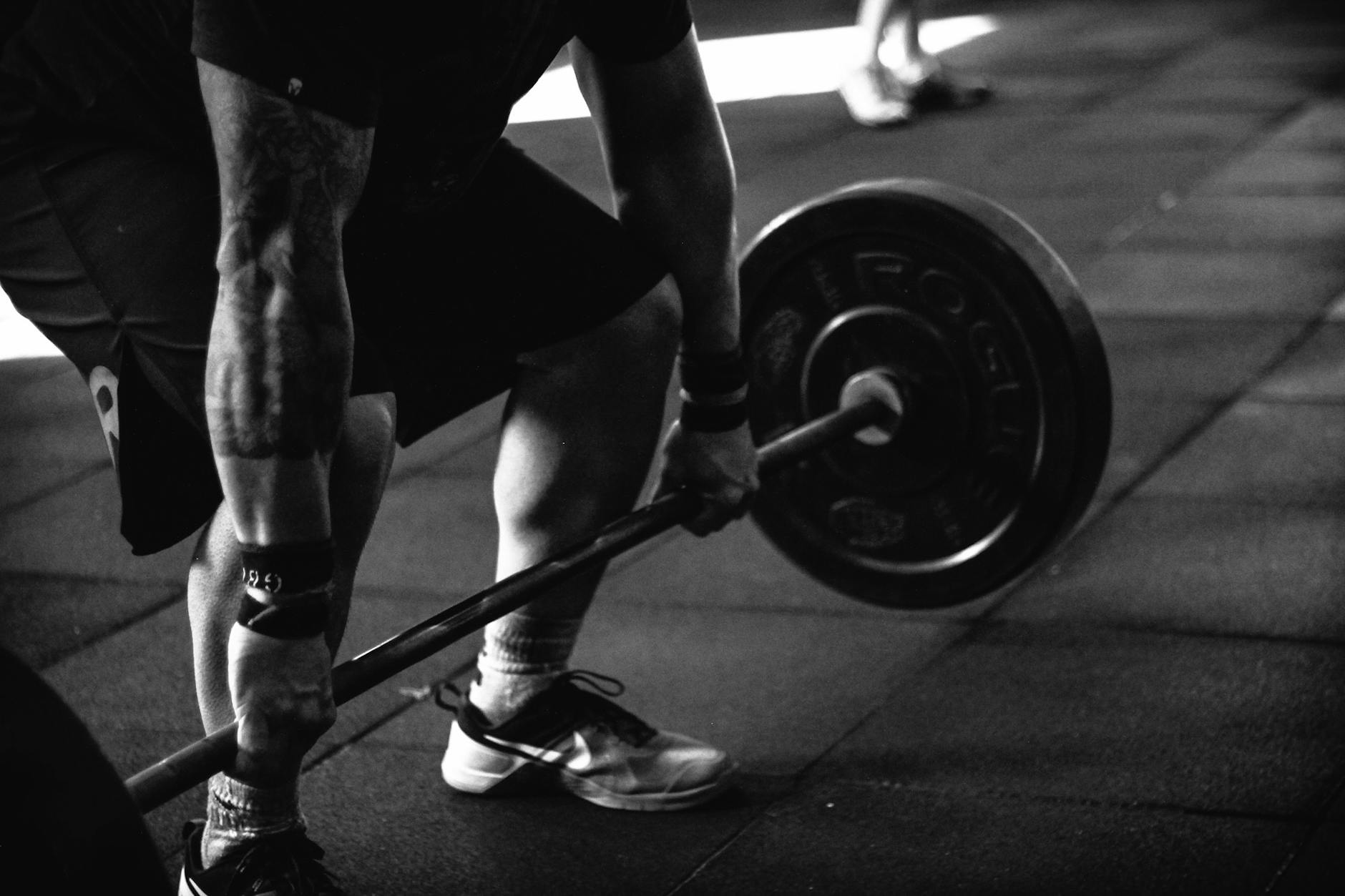
In the pursuit of a PR in deadlifts for a one-rep max (1RM), I found myself lifting a weight that seemed to defy gravity. The feeling of accomplishment surged through me as I successfully lifted the heavy load and gently dropped the weights back to the floor. However, in the moments that followed, a sudden darkness enveloped me, and my consciousness momentarily slipped away. I had experienced a fainting episode.
This personal experience serves as a vivid reminder of the importance of understanding why passing out can happen during heavy lifting and how we should approach it. In this article, we will explore the reasons behind passing out during weightlifting, whether the act of passing out itself should be a cause for concern, and how to navigate this phenomenon safely and effectively.
Understanding Passing Out During Heavy Lifting:
- Vasovagal Syncope: Passing out during heavy lifting is often linked to a phenomenon called vasovagal syncope. Picture this: as you push your body to lift weights that defy gravity, your vagus nerve, responsible for regulating heart rate and blood pressure, can sometimes throw a curveball. It may send these vital stats on a rollercoaster ride, causing a sudden dip and leaving you momentarily unconscious.
- Straining and Breath-Holding: In the heat of the moment, while lifting those heavy weights, it’s common to engage in intense straining and breath-holding techniques to maintain stability. But here’s the catch: this might elevate the pressure within your abdomen, potentially blocking some precious blood flow to your brain. This duo of straining and breath-holding can set the stage for fainting.
- Overexertion and Fatigue: Pursuing a one-rep max (1RM) often means pushing your body and mind to the limits. It’s like sprinting towards a finish line with all your might. However, this relentless effort can lead to exhaustion and mental strain. Your body, struggling to cope with increased oxygen demands and maintain proper blood circulation, might respond with a fainting episode.
Should Passing Out Itself Be a Concern?
Absolutely, passing out during heavy lifting deserves our attention, irrespective of the potential injuries that might follow. Here’s why:
- Loss of Consciousness: Passing out entails a complete loss of consciousness. Imagine being momentarily disconnected from your surroundings and actions. It can be disorienting, unsettling, and, most importantly, unpredictable.
- Risk to Others: When someone faints during a lift, it’s not just their well-being that’s at stake. It can also put others in the vicinity, including spotters and fellow gym-goers, in harm’s way. The sudden loss of control can lead to accidents and injuries.
- Underlying Health Issues: Frequent fainting episodes during lifting could be a sign of underlying health problems that need attention. It might hint at an excessive stress response or an undisclosed medical condition that warrants investigation.
- Impact on Training Progress: Passing out can disrupt your training routine and progress. It can instill fear and apprehension about lifting heavy weights, potentially hindering your ability to reach your fitness goals.
Practical Tips to Prevent Passing Out and Ensure Safety
Now, let’s equip ourselves with practical strategies to prevent passing out during heavy lifting and maintain safety:
- Proper Warm-Up: Always begin your weightlifting session with a thorough warm-up. Gradually increase the intensity of your lifts to prepare your body for the heavy load.
- Stay Hydrated: Dehydration can exacerbate the risk of fainting. Ensure you’re well-hydrated before and during your workout.
- Breathe Properly: Avoid excessive breath-holding and focus on controlled breathing. Exhale during the concentric phase of the lift and inhale during the eccentric phase.
- Use Proper Technique: Learn and practice proper lifting techniques to distribute the load effectively and minimize the risk of injury.
- Progress Gradually: Don’t rush into lifting heavy weights. Gradually increase the load over time to allow your body to adapt.
Conclusion
In conclusion, passing out while lifting heavy weights is a genuine cause for concern in its own right. It signifies a significant loss of control, poses potential risks to both the lifter and those around them, and could be indicative of underlying health issues. Prioritizing safety, learning proper technique, and consulting with qualified trainers or healthcare professionals are essential steps to mitigate the risk of passing out during weightlifting.
Disclaimer: The information provided in this article is intended for general knowledge and should never replace professional medical advice. Always consult with a healthcare provider or qualified trainer before engaging in strenuous physical activities, especially if you have any underlying medical conditions.
 The Breathing Space
Leave a comment