Introduction
Are you still stuck in the age-old routine of isolating muscle groups on specific days at the gym? Chest and tris on Mondays, back and bis on Tuesdays? Well, it might be time to break free from the mundane and explore a more exciting and effective approach to fitness – movement training. In this article, we’ll dive into the science behind movement training and reveal why it’s more effective for overall fitness. Say goodbye to the old-fashioned split routines; it’s time to discover the wonders of training your body’s natural motions.
Embrace Functional Fitness
Movement training, also known as functional training, is all about getting your body to move the way it was designed to move. Forget the monotony of endless curls and leg lifts – movement training encourages exercises that engage multiple muscles and joints together in harmony. It’s like upgrading from an old flip phone to a sleek smartphone – more versatility, more power.
The Perks of Movement Training
- Elevate Everyday Strength:
- Movement training boosts your functional strength, making everyday activities like lifting groceries or reaching for that top shelf a breeze.
- Research shows that functional exercises like squats and deadlifts can give you a well-rounded strength upgrade (1).
- Free Your Joints and Move Effortlessly:
- This approach prioritizes joint stability and flexibility, ensuring your body moves smoothly and efficiently.
- Dive into the science, and you’ll find that mobility-focused workouts can reduce your risk of injuries and keep your joints agile (2).
- Ignite Calorie Burn:
- Functional movements demand more energy, which means you burn more calories during and after your workouts.
- High-intensity functional training has a reputation for torching fat and boosting your cardiovascular fitness (3).
- Unleash Athletic Potential:
- Athletes, listen up! Movement training mimics the dynamic movements you need for sports, improving your game.
- A study published in the Journal of Strength and Conditioning Research even found that athletes who embraced functional exercises amped up their performance (4).
- Time-Saving Workouts:
- Say goodbye to those hours spent on isolated muscle training. Movement training offers efficient, time-saving workouts.
- Research in the Journal of Sports Medicine and Physical Fitness reveals that short, intense functional workouts can deliver the same results as longer traditional ones (5).
Integrating Movement Training
Now that you’re inspired to embrace movement training, here are some practical tips for integrating it into your fitness routine:
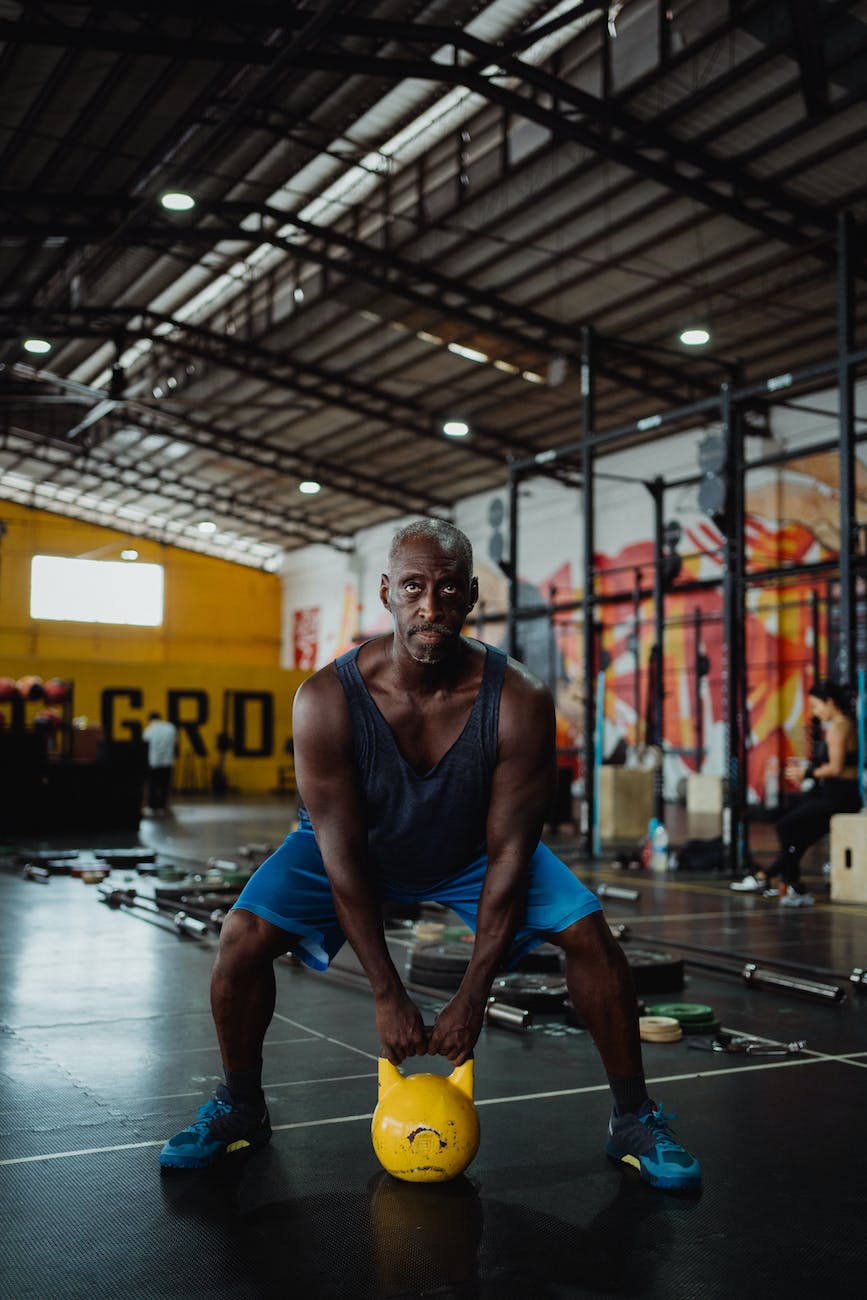
- Mix It Up: Replace a portion of your traditional workouts with functional movements. For example, instead of your usual bicep curls, try kettlebell swings or pull-ups to engage multiple muscle groups.
- Bodyweight Workouts: Many functional exercises require no equipment. You can perform squats, lunges, and planks at home or in a park, making it easy to incorporate movement training into your daily life.
- Seek Guidance: Consider working with a certified trainer or fitness coach who specializes in movement training. They can help you create a personalized plan and ensure you’re performing exercises correctly to prevent injuries.
- Consistency is Key: Like any fitness routine, consistency is vital. Dedicate time each week to functional workouts to see the best results.
Conclusion
Movement training is like a breath of fresh air in the fitness world. By embracing functional movements, you can unlock a world of benefits, from enhanced everyday strength and joint mobility to efficient fat burning and better sports performance. While there’s still a place for traditional muscle-focused workouts, the science suggests that movement training offers a more exciting and holistic path to achieving your fitness dreams.
Source:
- Schick, E. E., Coburn, J. W., Brown, L. E., & Judelson, D. A. (2010). Validity of the Epley and Lander 1RM methods for predicting 1RM strength in recreationally active college women. Journal of Strength and Conditioning Research, 24(5), 1453-1460.
- Page, P. (2012). Current concepts in muscle stretching for exercise and rehabilitation. International Journal of Sports Physical Therapy, 7(1), 109-119.
- Fisher, J., Steele, J., Bruce-Low, S., & Smith, D. (2011). Evidence-based resistance training recommendations. Medicina Sportiva, 15(3), 147-162.
- Spennewyn, K. C. (2008). Strength outcomes in fixed versus free-form resistance equipment. Journal of Strength and Conditioning Research, 22(1), 75-81.
- Rossi, F. E., Valenzuela, T. R., & Vechin, F. C. (2018). The effects of different resistance training set configurations on strength, power, and muscular adaptations. European Journal of Sport Science, 18(6), 772-780.
 The Breathing Space
Leave a comment