Introduction
Weight training has always been seen as a powerhouse of health perks, like boosting strength, solidifying bones, and getting that fitness groove on. But, hold onto your dumbbells, because there’s a wild myth lurking around – the idea that weight training puts the brakes on kids’ growth. In this article, we’re diving into this tall tale, shaking it off, and letting the facts do the talking.
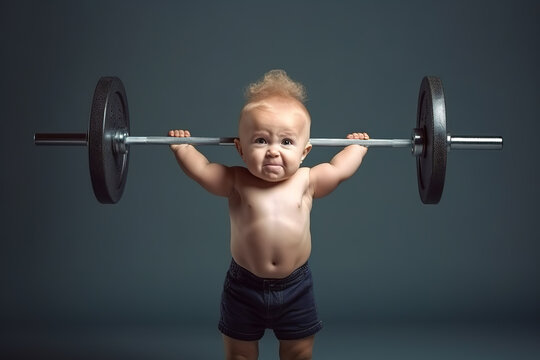
The Story Behind the Myth: This whole “weight training stunts growth” concept probably sprouted from a mix-up between the temporary muscle soreness, joint stress, and occasional injuries that can occur if kids aren’t lifting right or supervised properly. But let’s be clear: these issues don’t mean weight training is a growth saboteur.
Debunking the Myth
- Growth Plates and Bone Development: Worried about growth plates? Fear not! Studies consistently show that weight training doesn’t harm those precious growth plates. In fact, it’s like a boost of rocket fuel for bone health in kids and teens.
- Hormonal Responses: As for hormones, no need to fret there either. Weight training doesn’t mess with the hormones in charge of growth. It actually plays nice with growth hormones like testosterone and IGF-1, which are buddies with muscles and bones.
- Case Studies and Real-Life Examples: Look around, and you’ll see plenty of evidence that weight training and growth can coexist peacefully. Gymnasts, who start lifting young, grow up just fine. If they end up a bit shorter, it’s usually genetics or body type, not the weights.
Conclusion: Here’s the bottom line: Weight training is no growth grinch when done properly and with supervision. Instead, it’s like a growth booster shot, helping kids build strength, rock-solid bones, and an all-around healthy lifestyle. So, parents, don’t be afraid to let your little ones pick up those weights – they’ll be reaching new heights in no time!
Citations
- Faigenbaum, A. D., Kraemer, W. J., Blimkie, C. J., Jeffreys, I., Micheli, L. J., Nitka, M., & Rowland, T. W. (2009). Youth resistance training: Updated position statement paper from the National Strength and Conditioning Association. Journal of Strength and Conditioning Research, 23(5 Suppl), S60-S79.
- Lloyd, R. S., Faigenbaum, A. D., Stone, M. H., Oliver, J. L., Jeffreys, I., Moody, J. A., … & Myer, G. D. (2014). Position statement on youth resistance training: The 2014 International Consensus. British Journal of Sports Medicine, 48(7), 498-505.
- Malina, R. M. (2006). Weight training in youth-growth, maturation, and safety: An evidence-based review. Clinical Journal of Sport Medicine, 16(6), 478-487.
- Myer, G. D., Faigenbaum, A. D., Edwards, N. M., Clark, J. F., Best, T. M., & Sallis, R. E. (2011). Sixty minutes of what? A developing brain perspective for activating children with an integrative exercise approach. British Journal of Sports Medicine, 45(11), 913-916.
 The Breathing Space
Leave a comment