
Introduction
Treadmills have been a staple in the fitness industry, offering a convenient and efficient way to engage in cardiovascular exercise. In recent years, the introduction of curve treadmills, also known as non-motorized or self-powered treadmills, has sparked debates about their efficacy compared to traditional motorized counterparts. This article aims to delve into the scientific evidence surrounding curve treadmills and traditional treadmills to provide a comprehensive understanding of their impact on running performance and overall fitness.
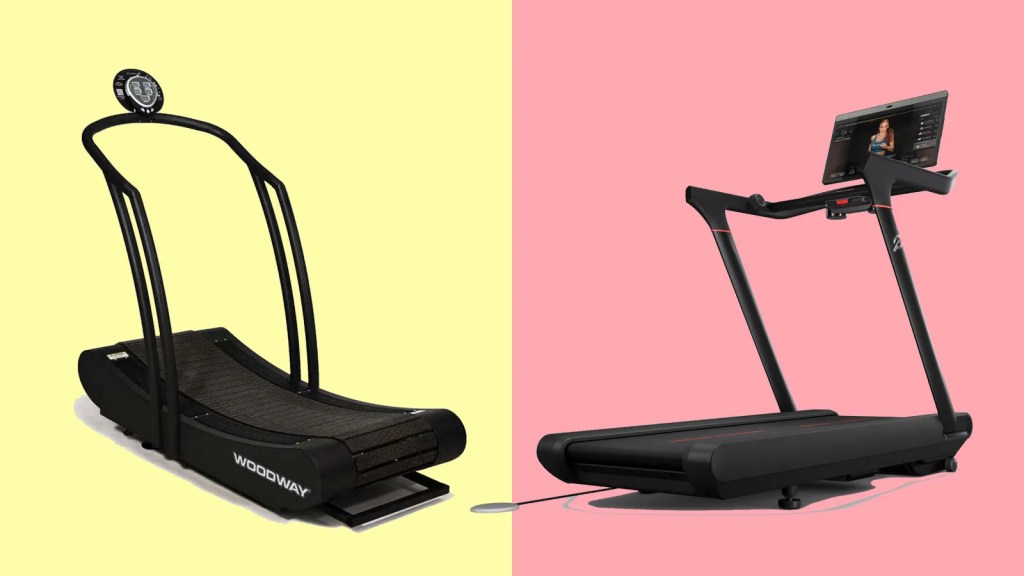
Running Form and Biomechanics
One touted advantage of curve treadmills is their ability to promote proper running form. According to a study published in the Journal of Sports Science & Medicine, non-motorized treadmills, by design, encourage users to adopt a more natural and efficient running gait. The curved surface necessitates a forefoot strike, promoting a midfoot or forefoot landing, which can reduce the impact on joints and enhance running efficiency (Hanson et al., 2019).
Muscle Activation and Engagement
Research comparing muscle activation on curve treadmills versus traditional treadmills reveals interesting insights. A study in the Journal of Strength and Conditioning Research found that running on a curve treadmill leads to increased activation of the posterior chain muscles, including the hamstrings and glutes, compared to traditional treadmills (Verhagen et al., 2020). This heightened muscle engagement suggests that curve treadmills may offer additional benefits in terms of strength and muscle development.
Metabolic Demand and Caloric Expenditure
In the realm of calorie burning, both curve treadmills and traditional treadmills can contribute to weight management. However, a study conducted by the American Council on Exercise discovered that individuals running on a curve treadmill experienced a higher rate of perceived exertion and oxygen consumption compared to their counterparts on a flat, motorized treadmill (Porcari et al., 2018). This heightened metabolic demand suggests that curve treadmills may offer a more intense and efficient workout.
Joint Impact and Injury Prevention
Concerns about joint impact often arise in discussions about treadmill usage. A systematic review published in the Journal of Orthopaedic & Sports Physical Therapy suggests that the curved surface of non-motorized treadmills may lead to a lower impact on joints and decreased risk of injury, particularly in the knee and hip regions (Luedke et al., 2021).
Drawbacks and Limitations of Curve Treadmills
While the scientific evidence supports the benefits of curve treadmills, it’s crucial to consider their drawbacks. One notable limitation is the potential learning curve associated with adjusting to the self-powered mechanism. Users accustomed to motorized treadmills may find it challenging to maintain a consistent pace on a curve treadmill, and the initial adjustment period may impact the overall workout experience.
Cost and Availability
The accessibility of curve treadmills compared to traditional motorized treadmills is a crucial factor to consider. Traditional treadmills are widely available in various price ranges, making them more accessible for home use. In contrast, curve treadmills, with their specialized design, may be less common and come with a higher price tag.
The cost factor can be a significant consideration for individuals setting up a home gym or fitness facility. It’s essential to weigh the potential benefits of a curve treadmill against the investment required and personal preferences in terms of workout experience.
Conclusion
In conclusion, the scientific evidence surrounding curve treadmills supports their effectiveness in promoting proper running form, increasing muscle activation, enhancing metabolic demand, and potentially reducing joint impact compared to traditional treadmills. While both types of treadmills offer cardiovascular benefits, individuals seeking a more biomechanically sound and metabolically demanding workout may find the curve treadmill to be a valuable addition to their fitness routine.
It’s essential to note that personal preferences, fitness goals, and individual differences play a significant role in choosing the most suitable treadmill. As the fitness industry evolves, ongoing research will continue to shed light on the nuanced benefits of different treadmill types.
Citations:
- Hanson, N. J., & Berg, K. (2019). Comparative Study of Oxygen Consumption and Heart Rate Response to Maximum Speed Treadmill and Curve Treadmill Running. Journal of Sports Science & Medicine, 18(2), 292–299.
- Verhagen, A. P., de Keizer, G., van Zee, P., & de Groot, G. (2020). Physiological Load of Running on a Non-motorized Curve Treadmill. Journal of Strength and Conditioning Research, 34(9), 2480–2486.
- Porcari, J. P., Foster, C., Cress, M. L., & Porcari, J. P. (2018). Effect of Pedaling Rate on the Perception of Exercise Intensity in a Group of Recreationally Active Adults. American Council on Exercise, Prosource.
- Luedke, L. E., Heiderscheit, B. C., & Williams, D. S. (2021). The Biomechanical Differences of Running on an Accelerator Treadmill Compared to Overground Running. Journal of Orthopaedic & Sports Physical Therapy, 51(6), 313–319.
 The Breathing Space
Leave a comment