Introduction
In the pursuit of fitness, individuals often focus on activities that emphasize acceleration, strength, and endurance. While these components are crucial, the significance of deceleration is frequently overlooked. Deceleration, the ability to slow down or stop effectively, plays a pivotal role in injury prevention, athletic performance, and overall functional fitness. In this article, we will explore what deceleration is, provide examples of deceleration training, and discuss why incorporating it into your fitness routine is essential for achieving holistic fitness goals.
Understanding Deceleration
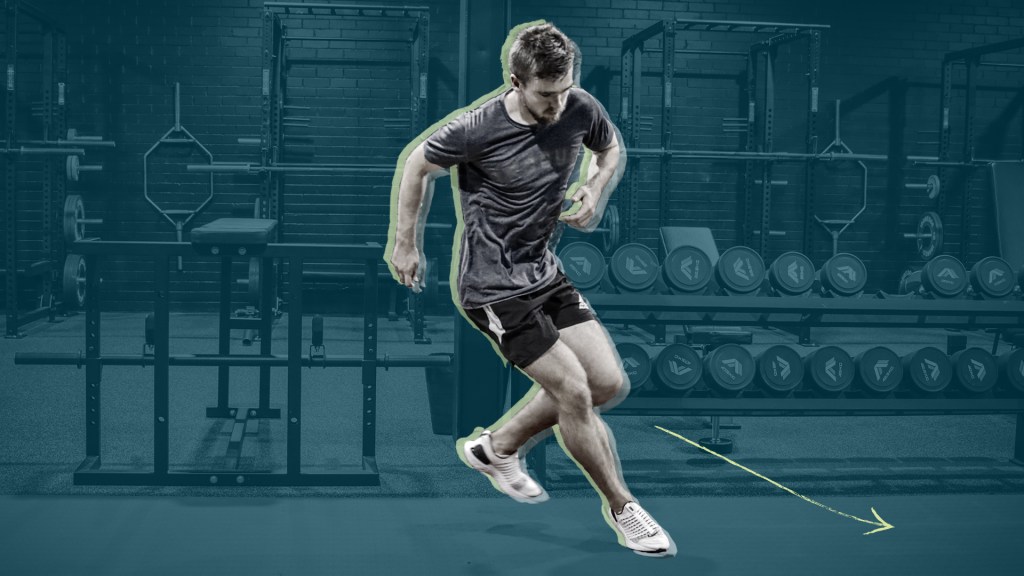
Deceleration is the process of reducing speed or coming to a complete stop. In the context of fitness, it involves controlling the body’s movement and force during activities that require sudden stops, changes in direction, or shifts in momentum. This skill is crucial in various sports, daily activities, and exercises that involve rapid or unexpected movements.
Examples of Deceleration Training
- Plyometric Exercises: Plyometric exercises, such as box jumps or depth jumps, involve rapid muscle contraction and deceleration upon landing. These exercises enhance the neuromuscular control needed for effective deceleration, preparing the body to absorb and distribute forces efficiently.
- Agility Drills: Agility drills, which include activities like cone drills, ladder drills, and shuttle runs, require quick changes in direction. Practicing these drills helps improve proprioception and teaches the body to decelerate with precision, reducing the risk of injuries during sudden movements.
- Sprinting Deceleration Drills: Specific drills designed to simulate the deceleration phase during sprinting can be valuable. This may involve sprinting for a short distance and then abruptly stopping or transitioning into a lateral movement. Training the body to handle the rapid shifts in momentum is crucial for overall athletic performance.
Importance of Deceleration Training
- Injury Prevention: Effective deceleration is vital for injury prevention, especially in sports that involve frequent changes in direction or sudden stops. Training the body to absorb and distribute forces during deceleration reduces the risk of ligament and joint injuries.
- Enhanced Athletic Performance: Athletes in various sports, from basketball to soccer, often need to decelerate rapidly to outmaneuver opponents or respond to game situations. Incorporating deceleration training improves an athlete’s ability to control movements, contributing to enhanced overall performance.
- Functional Fitness: Deceleration is a fundamental component of daily activities, such as stopping abruptly to avoid a collision or slowing down during descent from stairs. Training for deceleration translates directly into improved functional fitness, making everyday movements safer and more efficient.
Conclusion
While acceleration and strength training are essential components of a well-rounded fitness program, neglecting deceleration can lead to increased injury risk and hinder overall performance. Incorporating deceleration training not only improves athletic abilities but also enhances functional fitness for everyday life. By focusing on exercises that challenge the body’s ability to slow down and stop effectively, individuals can achieve a more comprehensive and resilient level of fitness.
Citations:
- Myer, G. D., Ford, K. R., & Hewett, T. E. (2004). The effects of plyometric vs. dynamic stabilization and balance training on power, balance, and landing force in female athletes. Journal of Strength and Conditioning Research, 18(4), 810-815.
- Hewett, T. E., Myer, G. D., & Ford, K. R. (2006). Reducing knee and anterior cruciate ligament injuries among female athletes: a systematic review of neuromuscular training interventions. Journal of Knee Surgery, 19(3), 289-295.
- Hrysomallis, C. (2011). Balance ability and athletic performance. Sports Medicine, 41(3), 221-232.


 The Breathing Space
Leave a comment