In recent years, the deadlift has gained popularity as a fundamental movement in strength training. However, with the rise of online tutorials, many individuals end up adopting incorrect techniques that can lead to injuries and hinder progress. In this article, we’ll shed light on common deadlift mistakes, providing evidence-based insights to help you perfect your form and maximize the benefits of this powerful exercise.
Common Deadlift Mistakes:
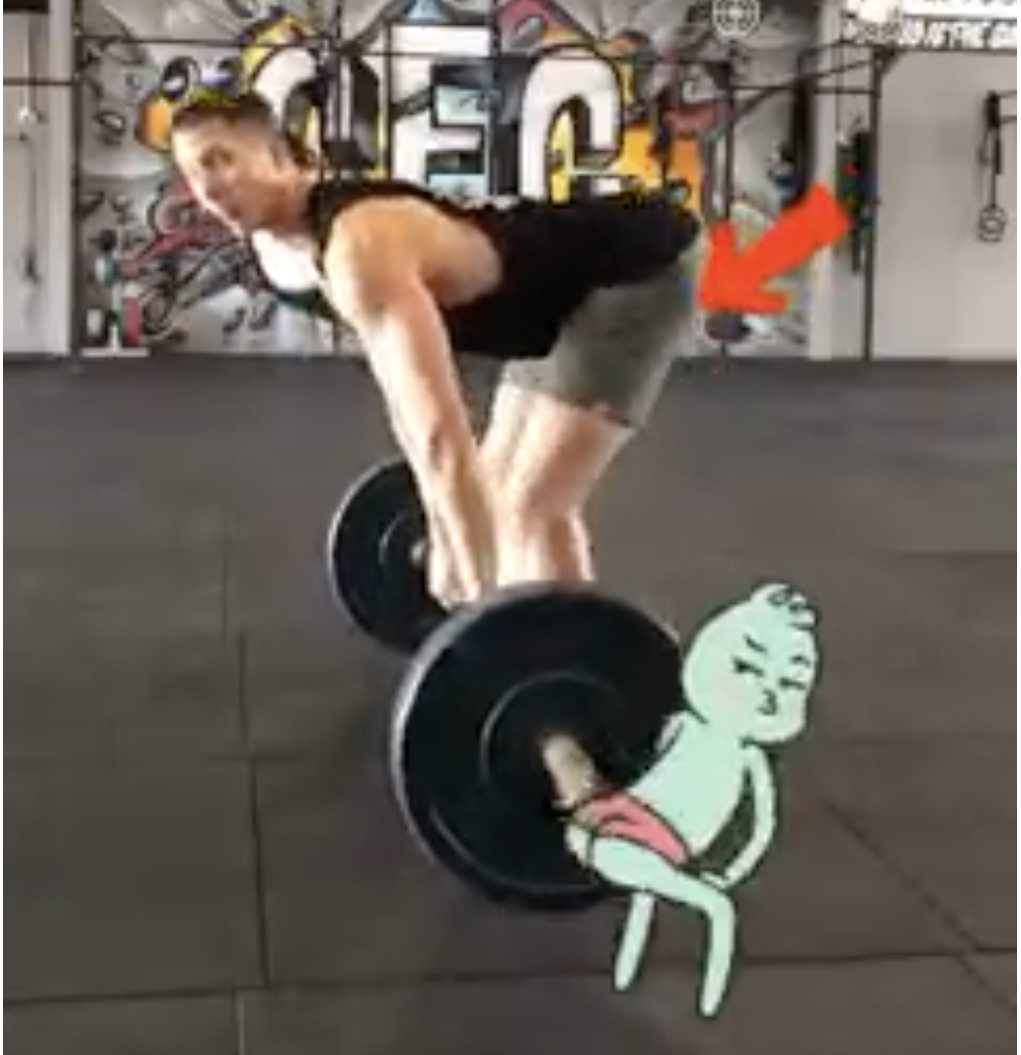
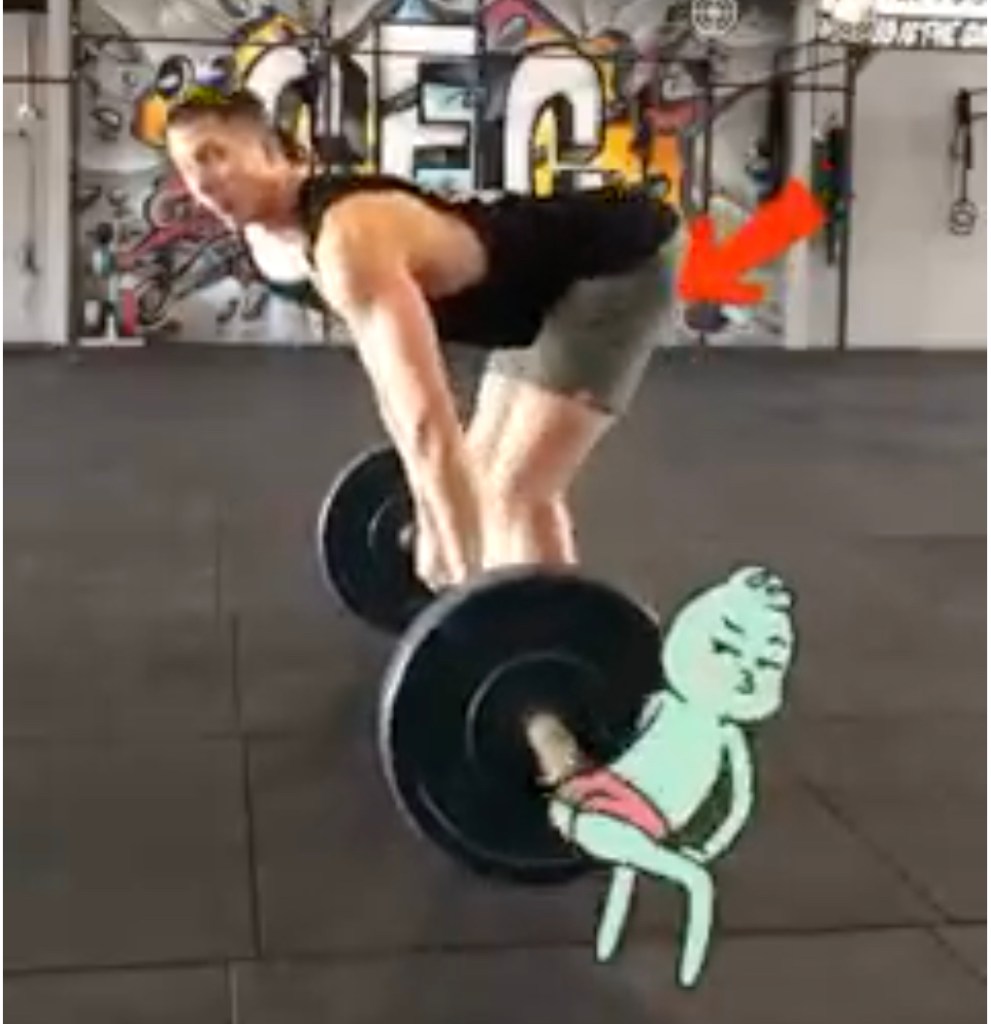
- The “Stripper Maneuver”: One prevalent error is the initiation of the lift with a hip thrust, resembling a “stripper maneuver.” This movement, where the hips rise before the shoulders, puts undue stress on the lower back and can compromise the effectiveness of the exercise.
- Excessive Thoracic Rounding: All too often, individuals compromise their spinal integrity by allowing excessive rounding in the thoracic area. This not only diminishes the engagement of key muscle groups but also increases the risk of injury.
- Neglecting Shoulder Activation: Failing to set and activate the shoulders properly before the lift is a critical oversight. Proper shoulder engagement contributes to a stable upper body and reduces the likelihood of injury.
- Straight Leg Deadlifts: Some individuals perform deadlifts with locked-out, straight legs, placing additional strain on the lower back. This variation deviates from the standard deadlift form and is less effective in targeting the intended muscle groups.
Mastering the Deadlift: A Step-by-Step Guide
Setup:
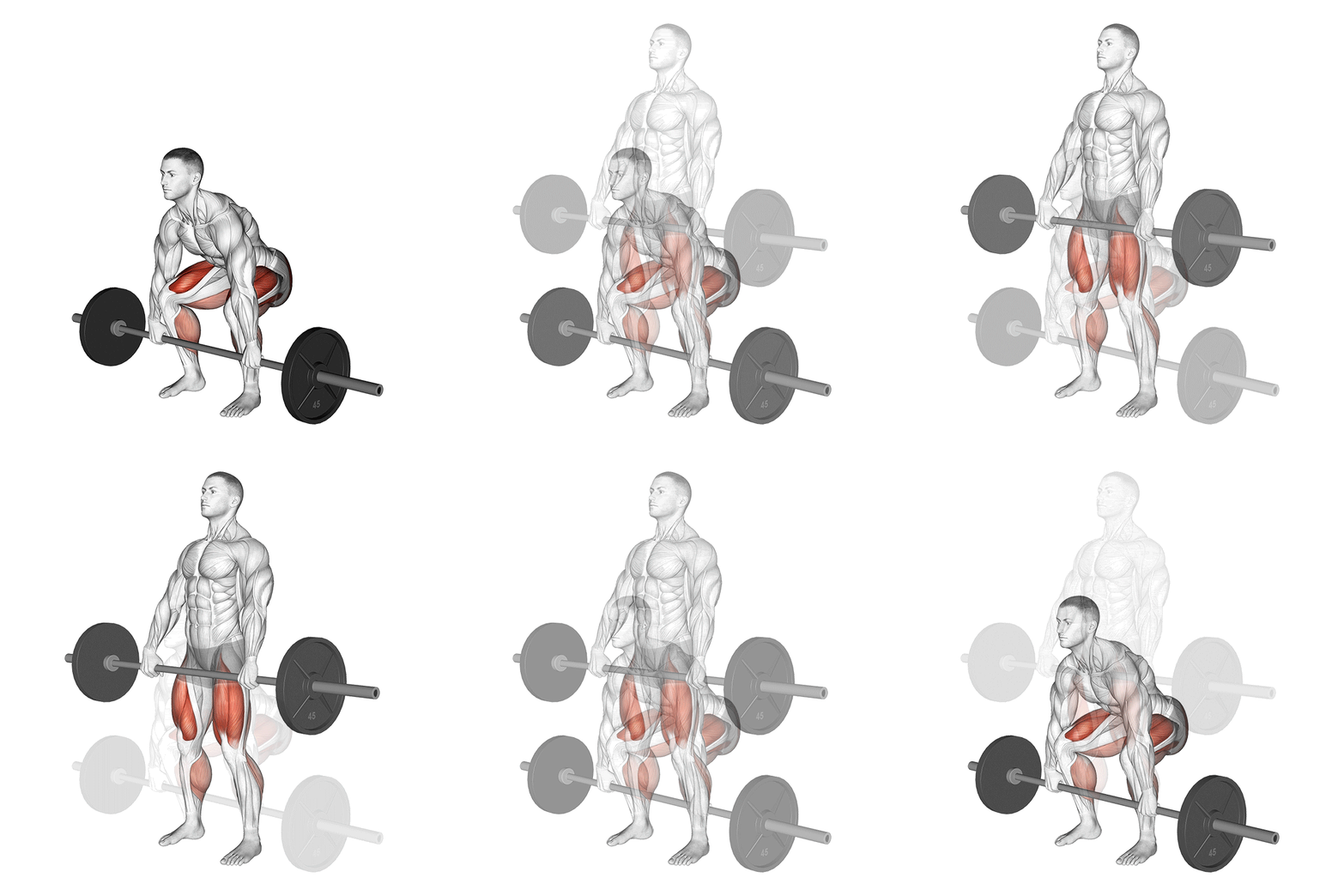
- Shoulder Alignment: Ensure that your shoulders are always positioned above your hips, promoting a straight and strong back throughout the lift.
- Bar Placement: The bar should be in contact with your shins, and your shins should be vertical or perpendicular to the ground. This ensures a more efficient and mechanically sound lift.
- Grip and Wrist Alignment: Position your shoulders in front of your wrists, preventing a vertical alignment of the arm. This stance allows for optimal force transmission and reduces the risk of injury.
- Engage Your Back: Prior to lifting, engage your back muscles, setting your shoulders back and down. Pull your shoulder blades back and tighten them to establish a solid foundation.
Movement:
- Hip and Shoulder Synchronization: Throughout the lift, ensure that your shoulders and hips move together. Avoid the “stripper maneuver” by maintaining a simultaneous upward movement of both hips and shoulders.
- Bar Tracking: Keep the bar in constant contact with your shins and thighs, tracking along your legs’ natural path. This promotes a more controlled and effective lift.
- Anterior Core Engagement: Flex your anterior core at all times to prevent excessive back extension and maintain a strong, neutral spine.
By following these guidelines, you can optimize your deadlift form, minimize the risk of injury, and enhance the overall effectiveness of this compound movement.
Evidence-Based Insights:
It’s essential to emphasize the evidence supporting proper deadlift form. Scientific studies, such as those by Schoenfeld et al. (2011) and Swinton et al. (2012), highlight the importance of maintaining a neutral spine and engaging key muscle groups during compound lifts. These findings underscore the significance of our recommended deadlift form in promoting both safety and effectiveness.
References:
Schoenfeld, B. J., et al. (2011). A Biomechanical Analysis of the Deadlift: Implications for Function and Rehabilitation. Journal of Strength and Conditioning Research, 25(10), 2858–2864.
Swinton, P. A., et al. (2012). A Biomechanical Comparison of the Traditional Deadlift and the Romanian Deadlift. Journal of Strength and Conditioning Research, 26(9), 2630–2637.
 The Breathing Space
Leave a comment