Introduction
CrossFit, a fitness phenomenon, has captured the attention of people worldwide. However, there is often a misunderstanding, with many associating CrossFit solely with the competitive sport aspect while neglecting the broader methodology initially intended for all fitness levels. It is vital to understand these differences and why they matter. In this article, we will explore the distinctions between CrossFit as a sport and CrossFit as a training methodology, examine the issues arising from the sport-oriented approach, and discuss the problematic emphasis on personal records (PRs), including lifting heavier weights and trying to beat the clock, at the expense of individual fitness goals.
The CrossFit Methodology
Founded by Greg Glassman in 2000, CrossFit was designed as a fitness regimen to enhance overall health and functional fitness for individuals of varying fitness levels. The core principles include constantly varied, high-intensity, functional movements, promoting ten general physical skills: cardiovascular endurance, stamina, strength, flexibility, power, speed, coordination, agility, balance, and accuracy. CrossFit aimed to be inclusive, scalable, and holistic, focusing on overall well-being over specialization.
The Sport of CrossFit
In contrast to the original methodology, CrossFit has evolved into a competitive sport, with the CrossFit Games taking center stage since 2007. This event showcases elite athletes pushing the boundaries of their physical capabilities, generating considerable interest in the highest level of competition.
The PR Problem
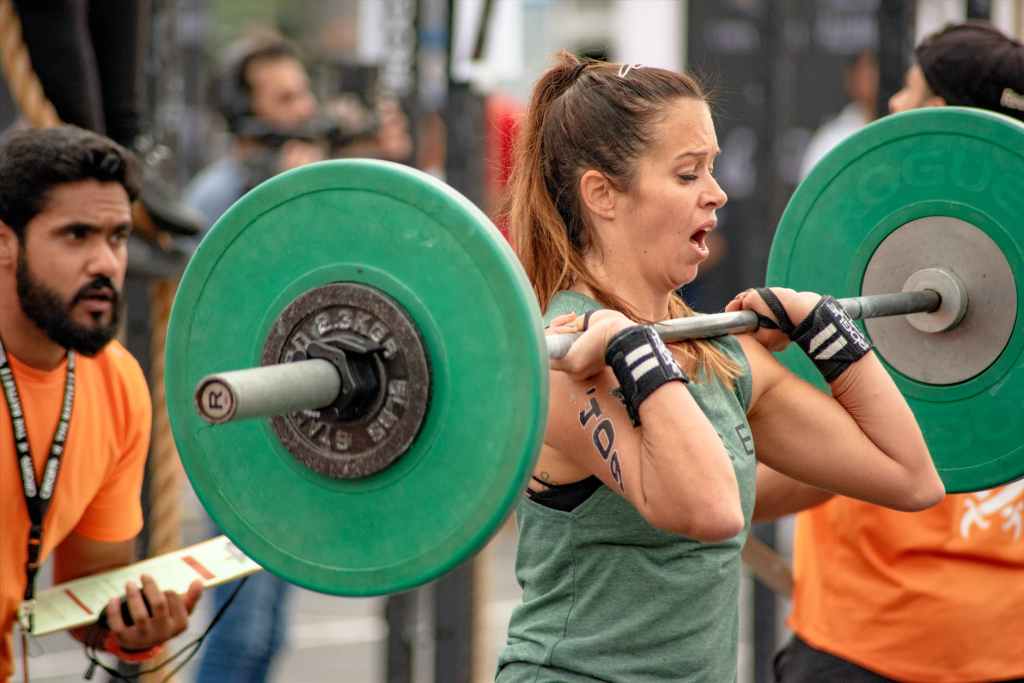
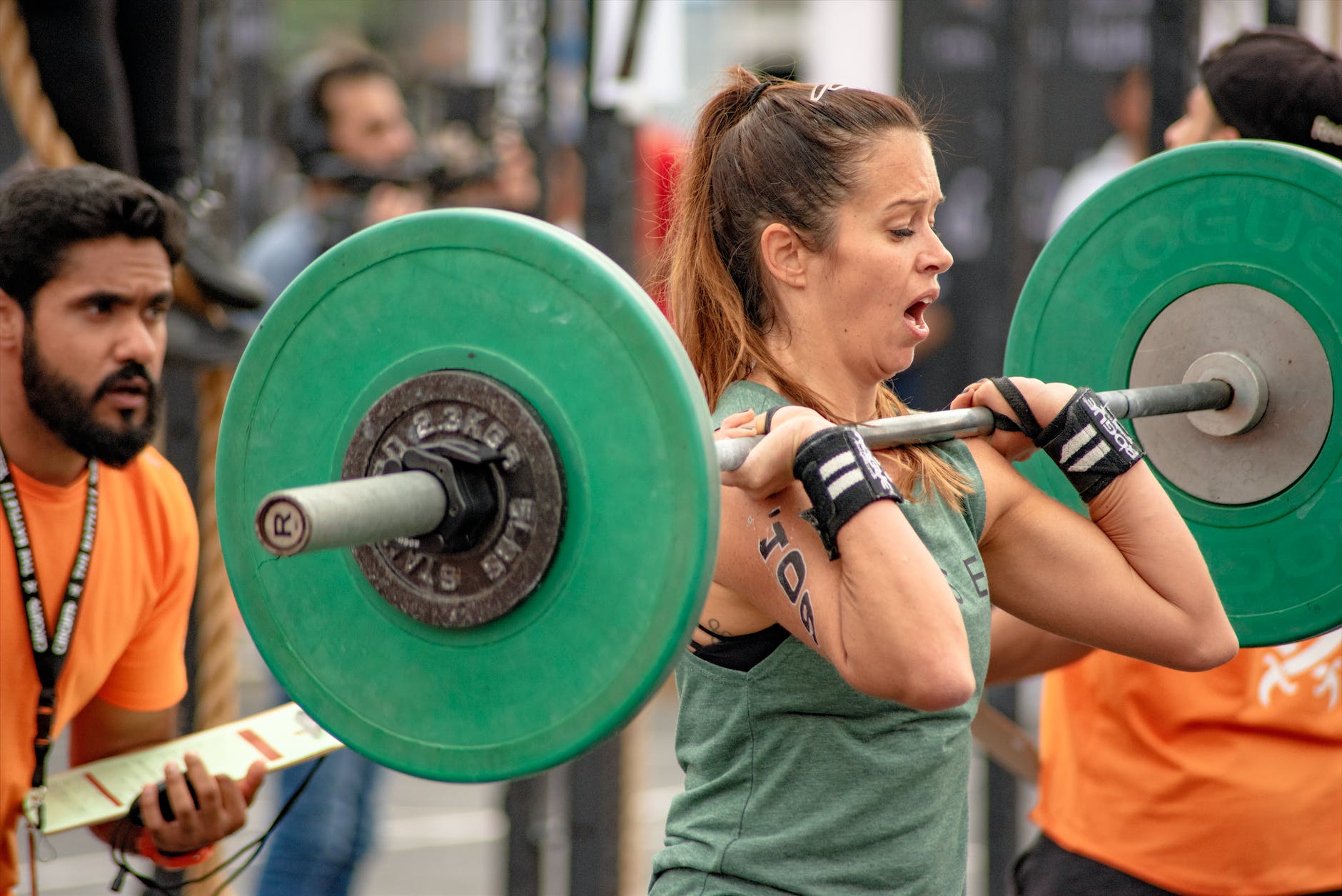
One significant issue stemming from the sport-oriented approach is the excessive focus on personal records (PRs), including lifting heavier weights and trying to beat the clock in CrossFit workouts. Coaches often encourage participants to add more weight to the barbell or complete workouts more quickly, emphasizing a “go hard or go home” mentality. While PRs are an essential aspect of CrossFit, they should not overshadow individual goals and overall health.
The Implications
- Weight Loss Neglect: The intense focus on PRs, whether in terms of lifting heavier or finishing faster, can deter those seeking weight loss. Not all CrossFit participants aim to become powerlifters or Olympic weightlifters, and their unique goals, such as weight loss, may be overlooked.
- Ineffectiveness Perceived: When individuals do not achieve their weight loss goals within CrossFit due to the emphasis on PRs, they might perceive CrossFit as ineffective and leave the program, missing out on its potential benefits.
- Overtraining Risks: Participants may wrongly believe they need to train harder and complete workouts more quickly to meet their weight loss objectives. This mindset can lead to overtraining, injuries, and overall burnout.
Returning to CrossFit’s Roots
To address the PR problem and maintain the essence of CrossFit’s original intent, coaches and CrossFit boxes should:
- Tailor Workouts: Customize workouts to cater to individual goals, including weight loss, by incorporating lower-intensity weight training and underscoring the importance of nutrition.
- Promote Balance: Stress the significance of a balanced approach to fitness, considering overall well-being alongside maximum strength and speed.
- Educate Participants: Educate participants on the diverse benefits of CrossFit, not just the competitive aspects, and encourage them to set individualized goals.
Functional Bodybuilding: A New Approach
At The Breathing Space, we are all about the methodology. We believe that individuals can achieve their goals and move better at the same time. We introduce a concept called “Movement Based Bodybuilding,” designed for those interested in not just losing weight but also gaining an impressive physique while maintaining a focus on overall health, flexibility, and well-being.
Movement Based Bodybuilding combines the principles of CrossFit’s methodology with a tailored approach to fitness, allowing individuals to reach their desired fitness goals while still benefiting from the holistic well-being that CrossFit was initially designed to promote.
Conclusion
Understanding the difference between CrossFit as a sport and CrossFit as a methodology is crucial for the continued growth and success of this fitness movement. Prioritizing the methodology’s original values of inclusivity, overall health, and well-being is essential to ensure that CrossFit remains accessible to everyone, rather than an exclusive sport for the elite.
By returning to its roots and promoting a more balanced approach to fitness, CrossFit can continue to positively impact the lives of countless individuals, regardless of their specific fitness goals, and create a healthier, more vibrant community.
Are you interested in a fitness approach that aligns with your personal goals while emphasizing health and wellness? Contact us for more information on Movement Based Bodybuilding, and discover how you can achieve the physique you desire without compromising your overall health and mobility. It’s time to breathe new life into your fitness journey. Contact us today!
References:
- Glassman, G. (2007). Understanding CrossFit. The CrossFit Journal, 56.
- CrossFit Games. (n.d.). About CrossFit Games. Retrieved from https://games.crossfit.com/about-the-games
- Keogh, J. W. L., Winwood, P. W., & Harris, N. K. (2010). The CrossFit exercise program and its association with musculoskeletal injury. The Journal of Strength & Conditioning Research, 24(4), 1205-1213.
 The Breathing Space
Leave a comment