Introduction:
When it comes to strength training, squats and deadlifts are often considered the kings of compound exercises. However, many individuals with knee or back pain tend to shy away from these movements, fearing that they may exacerbate their discomfort. Contrary to popular belief, avoiding squats and deadlifts may not be the best approach. In fact, evidence-based insights suggest that when performed correctly and with proper modifications, these exercises can actually help alleviate pain and improve overall function. Let’s delve into the research and debunk the myth surrounding these movements.
1. Squats and Knee Pain:
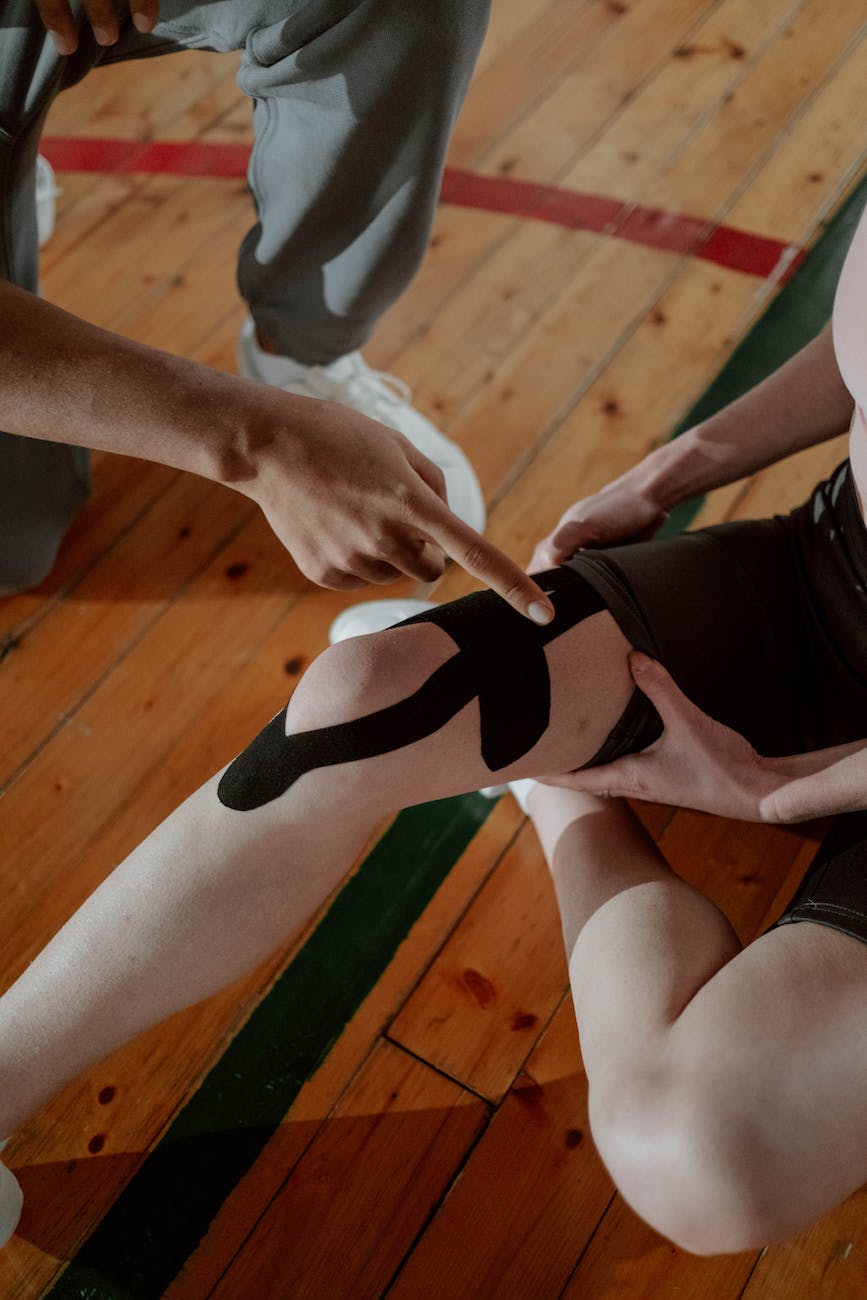
It is commonly believed that squats can be detrimental to knee health, particularly for individuals with pre-existing knee pain. However, a study published in the Journal of Strength and Conditioning Research found that squats can actually improve knee stability and reduce the risk of knee injuries when performed correctly (1). The key lies in proper form, appropriate load management, and gradual progression.
To mitigate knee pain during squats, consider the following modifications:
a) Reduce the range of motion: Limit the depth of your squat to a comfortable level that does not cause pain.
b) Use a wider stance: This can help distribute the load more evenly across the knees.
c) Incorporate resistance bands: Utilizing bands can provide additional support and reduce stress on the knees.

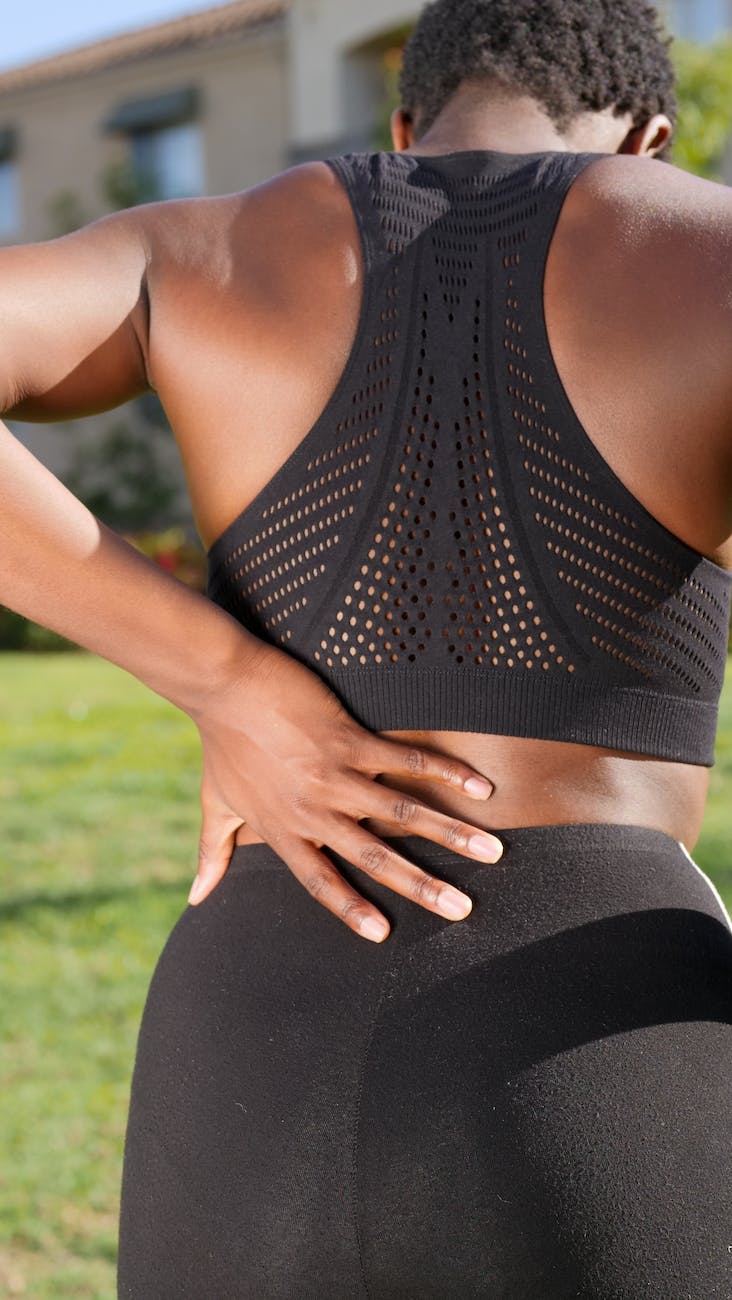
2. Deadlifts and Back Pain:
Deadlifts are often avoided by individuals with back pain due to concerns about spinal loading. However, research suggests that deadlifts, when performed correctly, can actually strengthen the muscles supporting the spine and improve back pain symptoms.
A systematic review published in the Journal of Strength and Conditioning Research concluded that deadlifts can be an effective exercise for individuals with chronic low back pain (2). The study found that deadlifts, when supervised and performed with proper technique, led to significant improvements in pain intensity and disability.
To perform deadlifts safely and reduce the risk of back pain:
a) Focus on maintaining a neutral spine: Engage your core muscles and avoid excessive rounding or arching of the back.
b) Start with lighter weights: Gradually increase the load as your form and strength improve.
c) Seek guidance from a qualified professional: A certified strength and conditioning specialist or physical therapist can provide personalized guidance and ensure proper technique.
Conclusion:
Contrary to popular belief, avoiding squats and deadlifts due to knee or back pain may not be the best strategy. Evidence-based insights suggest that when performed correctly and with appropriate modifications, these exercises can actually help alleviate pain and improve overall function. Remember, seeking guidance from a qualified professional is crucial to ensure proper technique and minimize the risk of injury. Embrace these compound movements and unlock their potential to enhance your strength and well-being.
If you require more information or guidance on how to perform these movements properly, you can reach me my sending a message via my instagram.
Citations:
1. Escamilla RF, et al. (2001). Knee biomechanics of the dynamic squat exercise. Journal of Strength and Conditioning Research, 15(4), 590-597.
2. Martuscello JM, et al. (2013). Systematic review of core muscle activity during physical fitness exercises. Journal of Strength and Conditioning Research, 27(6), 1684-1698.
 The Breathing Space
Leave a comment