Introduction
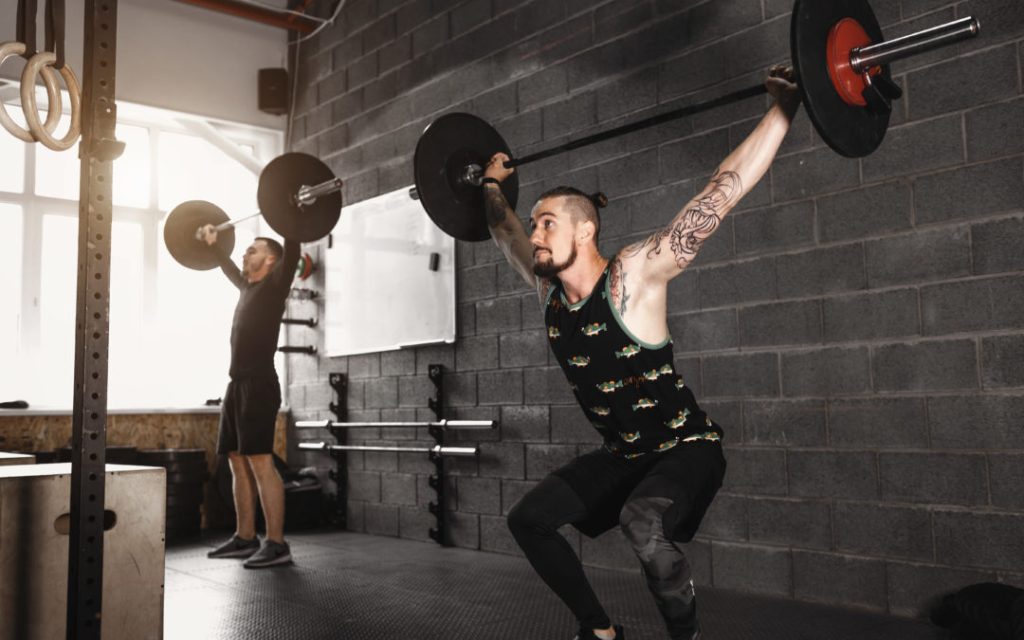
When you hit the gym to pursue your fitness goals, it’s easy to overlook a crucial detail – how you position your shoulders during exercises like deadlifts, bent-over rows, and pressing motions. Surprisingly, this often-ignored aspect can significantly impact your performance and help prevent injuries. In this article, we’ll dive into the importance of getting your shoulder setup right and provide simple, practical steps to do so. Rest assured, we’ll keep things straightforward and easy to follow, without sacrificing the scientific backing.

Why Shoulder Positioning Matters
- Injury Prevention:
- Good shoulder positioning is your ticket to avoiding injuries like shoulder strains and lower back troubles when doing exercises such as deadlifts. It spreads the load evenly, reducing the risk of strain or overuse injuries.
- Boosted Performance:
- When your shoulders are in the right position, they act as a stable base for generating power. This means you can lift heavier weights safely and improve your overall performance.
- Targeted Muscle Engagement:
- Proper shoulder setup ensures that the right muscles are working during your workout. This not only helps you get stronger but also encourages muscle growth and symmetry.
Setting Your Shoulders
A Simple Guide Here’s a step-by-step guide to ensure your shoulders are in the right position during your gym sessions:
Step 1: Warm-Up Before you start, give your muscles and joints a warm-up. This gets your blood flowing and prepares your body for action, reducing the risk of injury and improving flexibility.
Step 2: Keep Your Back Neutral Maintain the natural curve of your lower back; don’t over-arch or round it excessively.
Step 3: Shoulder Blades – Back and Down This is the golden rule for shoulder positioning. Visualize squeezing your shoulder blades together and pulling them down, as if you’re trying to pinch a pencil. This keeps your shoulder joints stable.
Step 4: Tighten Your Core Engage your core muscles to create a solid foundation for your spine and shoulders. A strong core contributes to better posture and overall strength.
Step 5: Check Your Alignment Make sure your shoulders, hips, and feet are in line throughout the exercise. This ensures that force is distributed evenly.
Step 6: Relax Your Neck Don’t shrug your shoulders or tense your neck. Keep your neck relaxed to avoid unnecessary strain.
Step 7: Breathe Naturally Remember to breathe steadily as you go through your workout. Exhale during the exertion phase and inhale as you return to the starting position to maintain stability.
Conclusion
Properly positioning your shoulders is a game-changer for your gym workouts. By following these straightforward steps backed by science, you can lower your risk of injuries, enhance your performance, and make the most of your muscle engagement. Remember, good form is the cornerstone of a successful fitness journey, and getting your shoulders right is a significant step in that direction.
Citable Sources:
- American Council on Exercise (ACE) – “Shoulder Blade Exercise: How to Retract & Depress the Shoulder Blades” [acefitness.org]
- National Academy of Sports Medicine (NASM) – “The Importance of Proper Scapulothoracic Motion” [nasm.org]
- Harvard Health Publishing – “Protecting Your Shoulders: A Guide to Rotator Cuff and Shoulder Health” [health.harvard.edu]
- National Strength and Conditioning Association (NSCA) – “Core Training: Evidence Translating to Better Performance and Injury Prevention” [nsca.com]
 The Breathing Space
Leave a comment